
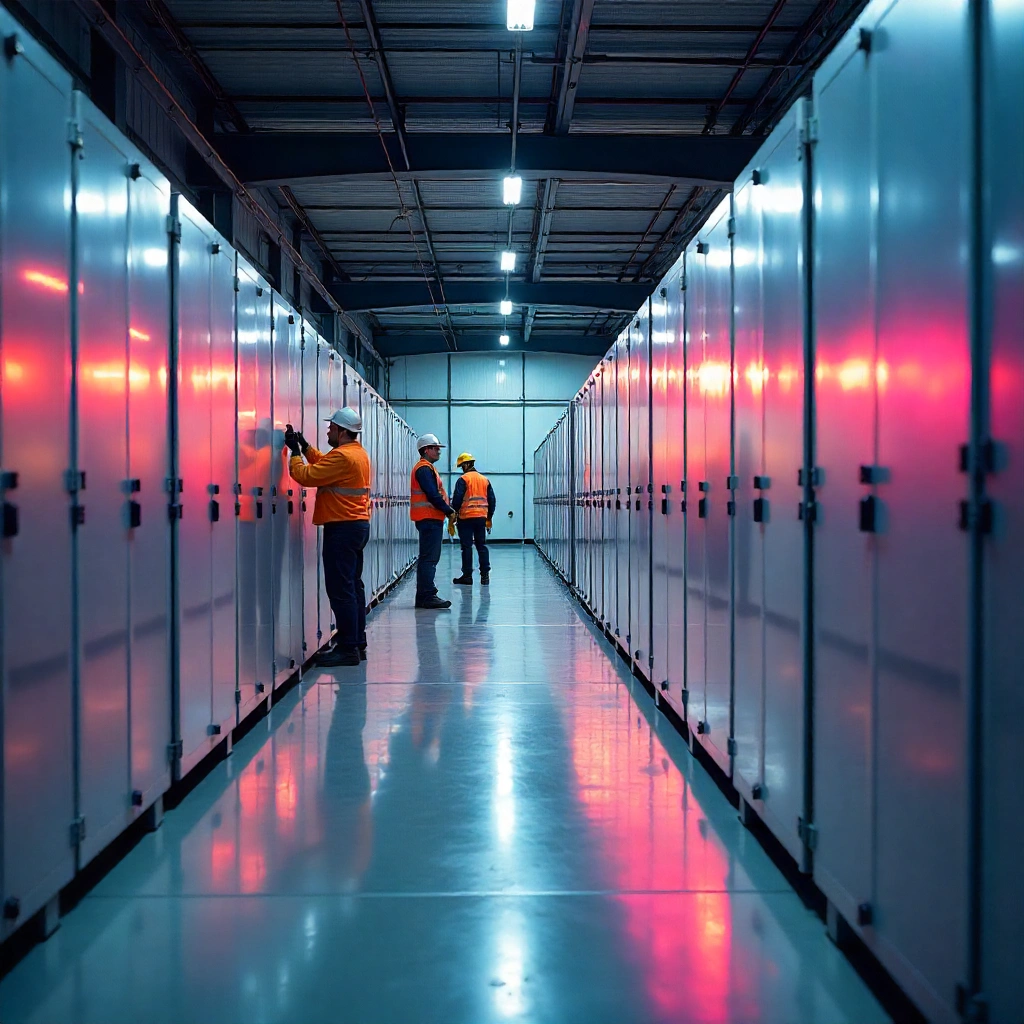
In today’s energy landscape, businesses and governments are under mounting pressure to balance rising power demand with sustainability and cost efficiency. Renewable generation like solar and wind has become mainstream, but these sources are intermittent by nature. The missing link? Battery Energy Storage Systems (BESS), a technology rapidly becoming essential to stabilize grids, cut costs, and enable green energy at scale.
If you’re considering investing in energy storage systems, here’s what you need to know before taking the leap.
What Is a Battery Energy Storage System?
At its core, a BESS is a setup of rechargeable batteries connected with power conversion systems, control software, and monitoring technologies. Unlike traditional backup generators, BESS doesn’t just provide emergency power; it actively stores surplus electricity when demand is low and releases it during peaks, ensuring stability and cost savings.
Think of it as a flexible energy bank: it charges when electricity is cheap or abundant (such as during daytime solar production) and discharges when electricity is expensive or scarce (for example, at night or during grid outages).
Types of Battery Energy Storage Systems
While the term “BESS” is broad, several technologies dominate the market today:
- Lithium-Ion Batteries – The most widely deployed due to high efficiency, modularity, and declining costs. Suited for both utility-scale and behind-the-meter projects.
- Flow Batteries – Known for long-duration storage and scalability, and often chosen for applications requiring multi-hour discharge cycles.
- Lead-Acid Batteries – Older but reliable technology, still used in smaller applications where cost sensitivity matters.
- Emerging Technologies – Sodium-ion, solid-state, and hybrid chemistries are gaining attention for improved safety, lower costs, or longer lifespans.
The choice of system depends on the application, whether it’s smoothing renewable output, reducing demand charges, or providing backup during outages.
Why BESS Matters Today
The shift toward battery energy storage isn’t just about resilience; it’s also about economics and sustainability. Here’s why:
- Grid Challenges: Congestion, outages, and peak demand charges are making reliance on the grid unpredictable.
- Green Energy Transition: Solar and wind require storage to provide a consistent output.
- Cost Optimization: By shifting energy use to off-peak hours, businesses can reduce electricity bills significantly.
- Regulatory Push: Many countries are mandating or incentivizing energy storage systems to meet net-zero targets.
Key Benefits of Investing in BESS
- Energy Resilience – Protect operations from blackouts and grid failures with reliable backup power.
- Cost Savings – Use stored energy during peak hours to avoid inflated tariffs.
- Sustainability – Enable higher adoption of renewable generation while reducing dependence on fossil fuels.
- Scalability – BESS can grow with your energy needs, from small-scale commercial systems to massive utility-scale storage plants.
- Market Opportunity – In some regions, stored energy can even be sold back to the grid, creating new revenue streams.
What to Consider Before Investing
Like any major infrastructure investment, battery energy storage requires careful evaluation. Here are the key factors decision-makers should weigh:
1. Capacity & Duration
How much energy do you need stored, and for how long? Short-duration BESS (1–4 hours) are ideal for peak shaving, while long-duration systems (8+ hours) support deeper renewable integration.
2. Technology Type
Lithium-ion batteries dominate the market for their efficiency and falling costs, but alternatives like flow batteries and solid-state are emerging for specialized use cases.
3. Integration with Renewables
If you already operate solar farms or wind assets, BESS can maximize returns by capturing excess generation and balancing supply with demand.
4. Regulatory & Incentive Environment
Check if your region offers subsidies, tax credits, or policy support for energy storage. These incentives can greatly improve project ROI.
5. Total Lifecycle Cost
Upfront capital is just one piece. Maintenance, warranties, software upgrades, and eventual battery replacement should all be factored into the financial model.
Industries Leading the Way
Some sectors see an especially strong case for BESS adoption:
- Data Centers – To stabilize operations, cut diesel generator reliance, and improve sustainability credentials.
- Manufacturing – For cost savings and uninterrupted production during grid instability.
- Utilities & Grid Operators – To balance load, integrate renewables, and maintain frequency stability.
- Commercial Real Estate – To manage energy bills and provide green energy solutions for tenants.
- Defence & Strategic Forces – To ensure mission continuity and energy resilience in remote or high-risk environments.
Looking Ahead
The momentum behind energy storage systems is undeniable. According to the clean energy data platform Cleanview, total installed utility-scale BESS capacity was 33,212 MW as of mid-2025, reflecting a 22% increase from 2024, outpacing even solar and wind in growth rate. This shows the urgency with which industries are moving toward energy storage as a mainstream strategy.
From Design to Deployment: DC&T’s End-to-End BESS Advantage
DC&T Global Private Limited brings engineering-first precision to the evolving landscape of Battery Energy Storage Systems (BESS). Unlike off-the-shelf deployments, DC&T’s BESS solutions are built on robust system architecture, advanced manufacturing capabilities, and a commitment to long-term performance. From grid-scale installations to modular, terrain-ready units, every project is designed for operational resilience and lifecycle efficiency. What sets DC&T Global apart is its deep customer orientation. Solutions aren’t just delivered, they’re engineered for endurance, backed by responsive post-sales support and tailored to mission-critical energy needs. In a market flooded with generic offerings, DC&T Global builds infrastructure that lasts.
Final Word: Is BESS Right for You?
Investing in battery energy storage is no longer a futuristic idea; it’s a strategic necessity. For energy-intensive businesses, the question isn’t whether to adopt BESS, but how quickly and at what scale. Done right, it can reduce costs, improve resilience, and strengthen sustainability commitments, all while future-proofing operations in an unpredictable energy market.