
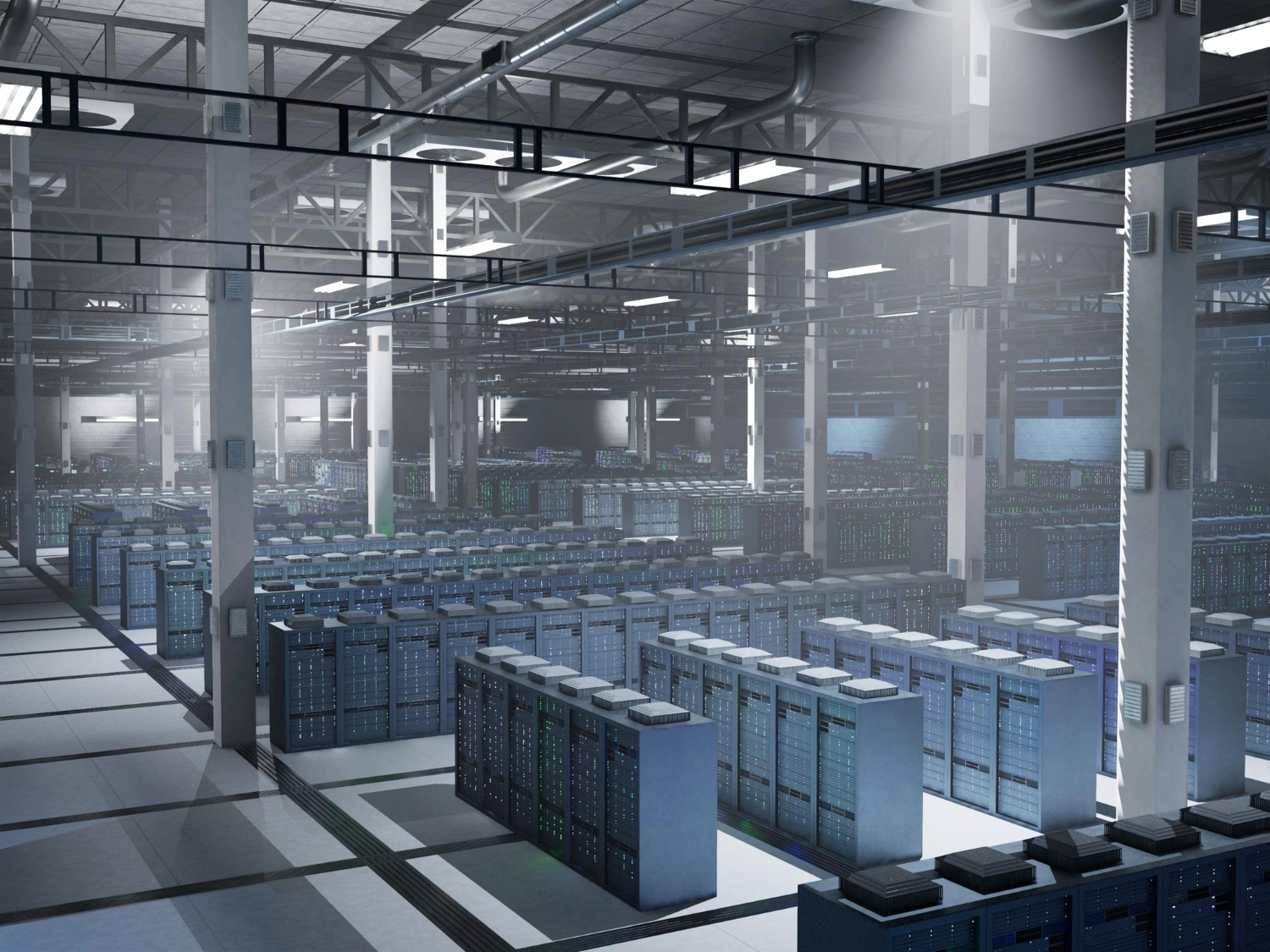
There is a quiet revolution humming beneath India’s power grid. Not in the hum of spinning turbines or the crackle of high-voltage lines, but
in rows of lithium cells, stacked and integrated inside battery enclosures that are rapidly becoming the backbone of a new energy economy. Battery Energy Storage Systems (BESS) are no longer a futuristic promise. In 2026, they are a bankable infrastructure asset, a policy priority, and a manufacturing ambition. And for India, this year is the inflection point that changes everything.
India’s Renewable Surge and the Problem It Created
India has crossed 250 GW of installed renewable capacity. Solar and wind are now the cheapest sources of new bulk power in the country. The 500 GW non-fossil capacity target for 2030 is no longer aspirational; it is a procurement mandate being executed through gigawatt-scale tenders every quarter.
But scale brought a paradox.
Solar peaks between 10 AM and 3 PM. Wind blows hardest at night and in specific corridors. Demand peaks in the evening, between 6 PM and 10 PM, precisely when the sun has set and the grid is leaning on coal plants cycling inefficiently to compensate. Evening ramp rates of 15–20 GW force the system into a daily stress test. The Central Electricity Authority (CEA) estimates that this grid imbalance costs India approximately ₹12,000 crore annually in excess system costs; it is a number that grows with every gigawatt of solar added to the network.
The solution has been known for years. The economics to act on it have only arrived now: energy storage.
What is a Battery Energy Storage System (BESS)?
A Battery Energy Storage System (BESS) is an electrochemical solution that captures surplus electrical energy from solar, wind, or the grid and discharges it on demand, when and where it is needed most. At its core, a BESS comprises:
- Battery cells (typically lithium-ion, arranged in modules and racks)
- Battery Management System (BMS) — monitors cell health, temperature, and charge cycles
- Energy Management System (EMS) — governs dispatch strategy, grid interaction, and revenue optimization
- Power Conversion System (PCS) — inverts DC power from batteries to grid-ready AC
Grid-scale BESS can respond in milliseconds, making them uniquely suited for frequency regulation, peak shaving, renewable firming, and backup power for mission-critical loads. Unlike pumped hydro, which requires specific geography and years of construction, a battery energy storage system can be engineered, deployed, and commissioned in months.
Policy Foundations: How the Government Built the Runway
India’s BESS trajectory in 2026 is not accidental. It is the result of deliberate, layered policy architecture assembled over the last three years.
Viability Gap Funding (VGF): The Government of India has introduced ₹91 billion ($1.09 billion) in VGF support for 43.2 GWh of BESS capacity, directly subsidizing capital costs for early projects and bringing bid tariffs down to commercially viable levels. Individual standalone BESS projects can access up to 40% of their capital costs through VGF grants. This is a critical de-risking mechanism for a market still finding its pricing floor.
Production Linked Incentive (PLI) for Advanced Chemistry Cells: A ₹181 billion ($2.18 billion) PLI programme targets 50 GWh of domestic Advanced Chemistry Cell (ACC) battery manufacturing. This scheme is designed to reduce India’s dependence on imported cells, currently a key vulnerability, by building indigenous manufacturing at scale. Over 200 GWh of battery manufacturing capacity is planned by 2030 across Indian conglomerates.
Energy Storage Obligations (ESO): The Ministry of Power has mandated that distribution companies (DISCOMs) progressively procure storage-backed power, starting at 1% of supply in FY2024–25 and rising to 4% by FY2029–30, equivalent to 200–250 GWh. Rajasthan has already moved ahead of the national curve, requiring DISCOMs to source 3% of supply from storage-backed contracts by FY2026–27.
Transmission Charge Waivers: BESS projects co-located with renewable energy plants and commissioned on or before June 2028 are exempt from interstate transmission charges, a meaningful cost relief for hybrid BESS projects.
2026 Union Budget Incentives: The 2026 Union Budget included targeted customs duty exemptions for lithium-ion BESS manufacturing inputs, aimed at stabilising supply chains and accelerating domestic production capacity.
Together, these levers have created a market where energy storage is no longer competing on pure economics alone. Policy has bridged the gap and now, falling costs are beginning to sustain what policy started.
The Numbers That Define 2026
The scale of India’s BESS ambition is best understood through numbers:
- 92 GWh of BESS projects are currently in the pipeline, which is the largest-ever recorded for India (IESA/CES Whitepaper, SESI 2026)
- 69 new BESS tenders totalling 102 GWh were floated in just the past year, a 35% increase over 2024
- Installed grid-scale battery storage is expected to jump from under 200 MWh in 2025 to roughly 5 GWh by the end of 2026, which is a nearly tenfold increase
- The CEA estimates 411.4 GWh of total energy storage will be needed by 2031–32, with 236.2 GWh from BESS and 175.2 GWh from pumped hydro
- India’s BESS market, valued at $2.05 billion in 2026, is projected to reach $8.59 billion by 2031 at a 33.2% CAGR (Mordor Intelligence)
- By 2033, India’s installed stationary BESS capacity is forecast to reach 346 GWh under base scenarios and 544 GWh if policy momentum continues (IESA)
The year 2026 is not a prediction. It is already being written in commissioning certificates and procurement orders.
Key Projects Shaping the Market
India’s BESS market is no longer dominated by pilots. Utility-scale projects are now being commissioned, contracted, and constructed across the country, signalling that the sector has crossed from experimentation into execution.
Tata Power commissioned a 100 MW/200 MWh standalone BESS project in Rajasthan under a 25-year PPA at ₹5.85 per kWh, one of the largest single BESS deployments in India to date.
Adani Energy Solutions brought online a 40 MW/120 MWh BESS in Gujarat, paired with 300 MW of solar, under a 25-year PPA at ₹5.95 per kWh, demonstrating the commercial viability of hybrid storage models.
JSW Energy and Fluence formed a joint venture to deploy 500 MWh across Karnataka and Maharashtra by 2026, backed by $150 million in investment, signalling growing international confidence in India’s storage market.
Reliance New Energy energised India’s first utility-scale non-lithium storage system, a 5 MW/50 MWh vanadium flow battery in Gujarat, marking an important diversification beyond lithium-ion chemistries.
Public sector undertakings, including NTPC, SECI, and PGCIL, are anchoring large-scale procurement, providing the offtake certainty that private developers and financiers need. Tamil Nadu GENCO, Gujarat Energy Development Agency, and Rajasthan Renewable Energy Corporation have all issued multi-hundred-MWh tenders in the past eighteen months.
Yet a closer look at this project landscape reveals a structural gap that these deployments alone cannot close: nearly all large-scale BESS projects in India today rely on internationally sourced battery cells, foreign EPC vendors, and imported system components. The commissioning is happening in India. But the manufacturing is largely not yet.
Why Lithium-Ion Batteries Dominate and What Comes Next
Among all battery chemistries available today, lithium-ion batteries command a 72% market share in India’s BESS deployments (Acumen Research, 2025). The reasons are well-established: high round-trip efficiency (typically 90–95%), fast response times in milliseconds, declining costs, and a mature global supply chain.
Within lithium-ion, Lithium Iron Phosphate (LFP) chemistry has emerged as the preferred choice for grid-scale BESS. LFP offers superior thermal stability, a longer cycle life (4,000–6,000 cycles), and inherently lower fire risk compared to Nickel Manganese Cobalt (NMC) chemistries, making it the appropriate choice for large outdoor installations, utility projects, and mission-critical deployments.
Globally, turnkey BESS costs fell by approximately 40% in 2024 compared to 2023, a compression that has directly translated into lower bid tariffs in India’s competitive auctions. Rajasthan’s November 2024 auction saw tariffs fall 41.3% compared to a March 2024 benchmark, a steep decline that reflects both global lithium-ion cost trends and the aggressive bidding dynamics in India’s storage auctions.
Looking beyond lithium-ion, alternatives are gaining ground but remain nascent in India. Vanadium flow batteries offer near-infinite cycle life and are well-suited for long-duration storage, as Reliance’s Gujarat installation demonstrates. Sodium-ion batteries are commercially emerging, offering a lithium-independent chemistry with lower raw material risk. However, for the 2–4 hour discharge durations that dominate India’s current storage requirements, lithium-ion batteries remain the undisputed choice for cost, performance, and bankability.
Challenges India Must Confront Honestly
India’s BESS boom is real, but it is not without friction. Several structural challenges threaten to slow execution even as procurement accelerates.
Aggressive Underbidding:
Since 2022, India’s BESS auctions have seen tariffs fall at a pace that concerns lenders and developers alike. While cost reductions are genuine, a portion of the price compression may reflect underbidding, winning contracts at tariffs that cannot sustain project economics, particularly as battery prices stabilise. Financial institutions are increasingly cautious about projects bid below rational cost floors.
PPA Signing Delays:
BESS projects are typically awarded 18–24 months for commissioning from PPA signing. But DISCOMs, expecting further price reductions, are delaying PPA execution, creating uncertainty for developers who have already incurred development costs. The Central Electricity Regulatory Commission cancelled SECI’s 500 MW/1,000 MWh standalone BESS tender in January 2025 due to prolonged project agreement delays. An estimated 40–55 GW of renewable and hybrid capacity is facing PPA bottlenecks.
Grid Connection and Transmission Gaps:
Renewable energy growth is outpacing transmission infrastructure. Curtailments and stranded capacity, particularly in high-solar states like Rajasthan and Gujarat, reduce the revenue visibility for BESS projects designed around renewable co-location.
Import Dependency:
Despite PLI support, India’s domestic lithium-ion battery manufacturing is still nascent. The majority of battery cells are currently imported, predominantly from China, making the supply chain vulnerable to geopolitical disruption, currency fluctuation, and logistics delays. Building a robust indigenous supply chain is a decade-long endeavour that has only just begun.
Financing Costs:
India’s BESS sector still carries a higher cost of capital than mature renewable technologies. Until BESS is classified and treated consistently as infrastructure, with defined revenue streams, standardised contracts, and clear performance obligations, accessing long-tenor, low-cost debt will remain a challenge.
What India’s BESS Market Actually Needs Now
The challenges outlined above point to a specific kind of gap, one that is not filled by another import-dependent integrator or a large utility bidding aggressively on government tenders.
What India needs at this stage of its BESS journey is depth of domestic capability: companies that can engineer, manufacture, and deploy storage systems end-to-end, on Indian soil, without the supply chain fragility that comes with dependence on overseas cells, foreign technical teams, and single-source vendors. This is precisely the gap that indigenous BESS manufacturers are positioned to address and where DC&T Global has built its entire model.
DC&T Global is a Pune-based Battery Energy Storage System manufacturer delivering infrastructure-grade BESS for enterprise and mission-critical environments. Unlike the majority of BESS providers in India that operate as system integrators assembling imported components, DC&T Global’s value proposition is rooted in genuine domestic manufacturing.
In-House Manufacturing at 3 GWh Annual Capacity:
DC&T Global, at its state-of-the-art Pune facility, engineers, assembles, and integrates the BESS units entirely in-house with a production capacity of 3 GWh per year. This is not a branding exercise. It means that every system that leaves the facility has been designed and built in India, offering clients supply chain certainty, shorter lead times, and accountability that sits with a single domestic entity and not distributed across a global vendor network.
End-to-End: Design to Deployment:
DC&T Global owns the full solution stack, from site assessment and system design, through manufacturing and integration, to commissioning and long-term support. This end-to-end ownership directly addresses one of the most persistent failure modes in BESS projects: the accountability vacuum that arises when design, manufacturing, and deployment are handled by separate parties with different incentive structures and no single point of responsibility.
Built for Enterprise and Mission-Critical Environments:
While much of India’s BESS tender activity is focused on utility-scale grid applications, there is a large and underserved segment of demand from data centres, industrial facilities, commercial complexes, and critical infrastructure, where the tolerance for downtime is near zero, and the requirement is for a system that has been engineered for reliability, not just the lowest bid price. DC&T Global’s systems are built specifically for this environment.
India’s PLI scheme was designed precisely to create companies like DC&T Global, domestic manufacturers with the scale and technical depth to reduce import dependency and build a self-sustaining BESS supply chain. As ESO mandates drive DISCOMs and enterprises toward storage procurement, the advantage will increasingly belong to manufacturers who can deliver on time, at specification, with full accountability, from a facility that is not subject to import disruptions or foreign exchange risk.
The Road Beyond 2026: What India’s Storage Future Looks Like
2026 is a watershed, but it is a beginning, not a destination.
India’s storage requirement scales rapidly through the decade. The CEA’s 411.4 GWh estimate for 2031–32 is a floor, not a ceiling. As solar penetration deepens, as electric vehicle charging creates new evening demand spikes, and as data centres demand four-nines power reliability, the call on storage will grow in duration, scale, and sophistication.
By 2033, BESS is projected to have a 346 GWh installed base. By 2035, the overall BESS market could reach $19.45 billion. India, which is today a large consumer of imported battery technology, could over the next decade become a significant manufacturer, serving not only domestic demand but South Asian and African markets where the same renewable integration challenges are playing out.
The convergence of grid-scale storage, green hydrogen production (which requires dispatchable clean power), EV charging infrastructure, and industrial decarbonisation will make BESS a multi-use, multi-revenue asset class. The storage project of 2030 will not be a single-use arbitrage play. It will be a flexible grid asset, simultaneously providing frequency regulation, peak capacity, renewable firming, and demand management with revenue stacked across multiple streams.
Conclusion: The Inflection Point Has Arrived
India’s energy storage boom is creating new opportunities for infrastructure investment. To capitalize on this opportunity, enterprises must understand both BESS technology and data center investment in India.
India’s energy storage story has moved decisively from policy ambition to physical infrastructure. Tenders are funded. Projects are under construction. Manufacturing capacity is taking shape across Gujarat, Rajasthan, and Pune.
By 2026, the Battery Energy Storage System (BESS) sector in India will cross a critical threshold—from an emerging technology to a mainstream grid asset. The economics are viable, the policy framework is established, and the project pipeline is unprecedented. As a result, companies with the engineering depth to deliver infrastructure-grade BESS reliably, at scale, and manufactured in India are becoming central to the nation’s energy transition.
Looking ahead to 2030, the grid will be defined by storage. The real question is no longer whether India deploys energy storage, but how efficiently and how quickly it is deployed—and how much of this critical infrastructure is designed, built, and owned within the country.
Sources
- IEEFA: India’s Battery Storage Boom: Getting the Execution Right
- IEEFA: The Standalone Energy Storage Market in India
- IEEFA: India’s Battery Manufacturing Incentive Scheme
- India Energy & Climate Center: Strategic Pathways for Energy Storage in India
- IESA / PV Magazine India
- Report via ESS News
- Mordor Intelligence — India BESS Market (2026–2031)
- Acumen Research — India BESS Market (2026–2035)
- AltEnergyMag
- NextMSC — India Energy Storage System Market: 2030 Growth & Trends
- The Battery Magazine — India’s BESS Boom: How 2026 Will Reshape Storage Markets
- Wright Research — Battery Energy Storage Systems: India’s Missing Power Link
- MNRE: Energy Storage Systems Overview
- MNRE: ESS Policies & Guidelines
- CEA: National Electricity Plan (NEP) 2022–32 — PIB Press Release
- CEA: Report on Optimal Generation Capacity Mix 2029–30 (Version 2.0)
- Ministry of Power: National Framework for Promoting Energy Storage Systems
About DC&T Global
DC&T Global is a Pune-based Battery Energy Storage System manufacturer delivering infrastructure-grade BESS for enterprise and mission-critical environments. With a 3 GWh annual in-house production capacity and an end-to-end design-to-deployment model, DC&T Global is building India’s energy storage future from the ground up.