
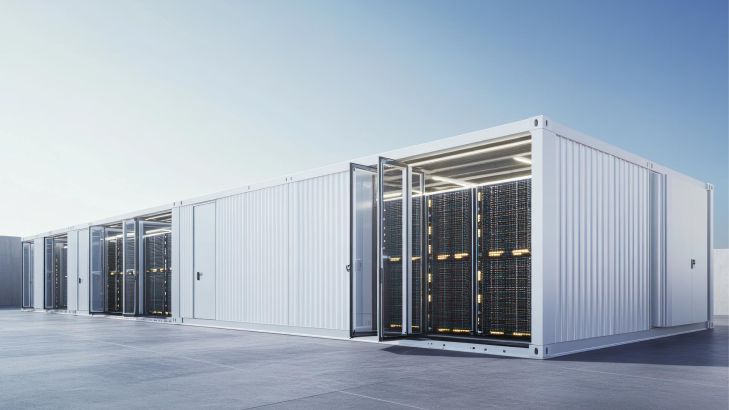
The digital transformation wave sweeping across developing nations is unprecedented. With the rise of cloud services, IoT ecosystems, 5G deployment, and digital financial services, the demand for robust, reliable, and scalable data infrastructure is surging. Traditional brick-and-mortar data centers often struggle to keep pace due to high capital costs, extended construction timelines, and inflexibility. Prefabricated modular data center, especially in containerized designs, offers a practical, sustainable alternative.
Modular Data Centers: Engineering Flexibility for Emerging Markets
Modular data centers are pre-engineered, self-contained units built offsite under controlled conditions. Unlike conventional facilities, which require lengthy on-site construction, these modules are designed for rapid deployment and incremental expansion. Containerized data centers are a subset of modular solutions that bring additional mobility and scalability. Standard shipping-container formats allow stacking, horizontal expansion, or relocation to optimize space and meet growing data demands without major construction.
This flexibility is crucial for developing nations, where urban land availability is constrained, energy infrastructure may be inconsistent, and demand forecasts are often uncertain. By deploying modular units, organizations can add capacity incrementally, aligning growth with actual workload requirements and minimizing both underutilization and energy wastage.
Sustainability Through Design and Efficiency
Prefabricated modular data centers excel in sustainability:
- Energy Efficiency: Advanced cooling systems, like in-row, liquid, or economizer-based designs, reduce power usage by up to 30% compared to conventional setups. Modular designs allow precise matching of cooling and power to deployed IT loads.
- Material Optimization: Offsite fabrication minimizes construction waste. Standardized modules use repeatable, high-quality materials, reducing the carbon footprint of each unit.
- Renewable Integration: Containerized units can easily connect to solar arrays, microgrids, or battery energy storage systems (BESS), ensuring low-carbon operations even in regions with unstable grid access.
- Compact Footprint: Stacking modular units vertically enables high-density deployments without requiring large plots of land, conserving urban space while maintaining performance.
- Scalable Deployment: Modular solutions allow phased growth. Organizations can start with a small deployment and expand by adding modules as data traffic and digital adoption increase, avoiding over-provisioning.
Technical Advantages of Containerized Deployments
Containerized modular data centers typically house IT racks, power distribution units, cooling systems, and fire suppression systems within a 20 or 40-foot container. Key technical features include:
- Hot-aisle/cold-aisle containment to optimize airflow and reduce cooling energy.
- Pre-integrated power modules with redundancy to maintain uptime.
- Plug-and-play network connectivity for rapid integration with existing infrastructure.
- Stackable design enabling multi-level deployment without additional land requirements.
These design elements make containerized units ideal for regions where rapid digital adoption demands both agility and reliability.
EPC Perspective: Engineering, Procurement, and Construction of Pre-Fab Data Centers
From an EPC standpoint, modular data centers streamline the entire lifecycle:
- Engineering: Offsite design ensures optimal performance, quality control, and compliance with local and international standards. Modules are tested under controlled conditions, reducing the risk of on-site errors.
- Procurement: Standardized components such as racks, cooling units, PDUs, and fire suppression systems can be procured in bulk, reducing costs and lead times.
- Construction: On-site assembly is minimal. Modules arrive pre-fabricated and pre-tested, requiring only interconnection, grounding, and commissioning. This approach reduces labor needs, shortens timelines, and lowers environmental disruption.
EPC firms operating in developing nations, like DC&T Global, deliver turnkey prefabricated modular data center solutions for organizations seeking fast, reliable, and sustainable digital infrastructure. Their expertise ensures smooth execution, cost efficiency, and rapid deployment, which is perfect for regions where skilled labor is limited and speed-to-market is critical.
Overcoming Infrastructure Challenges
Implementing modular data centers in developing nations requires careful planning:
- Logistics and transport: Containerized units must navigate local roads, ports, and customs regulations. Modular designs simplify shipping and handling compared to traditional construction materials.
- Energy supply: Integration with on-site renewables or microgrids ensures continuous operation in regions with intermittent grid reliability.
- Climate adaptation: Modular units can be engineered to withstand extreme temperatures, humidity, or monsoon conditions, ensuring consistent performance.
Market Insight: Prefabricated Modular Data Centres in Emerging Markets
The global modular data centre market is showing strong growth, which provides valuable context for developing nations considering prefabricated solutions. For example:
One report indicates the global modular data centre market was valued at USD 34.84 billion in 2025, and is estimated to reach USD 143.08 billion by 2034, for a CAGR of ~17.2%.
A regional study of the Middle East & Africa (MEA) region found the modular data centre market generated revenue of USD 1,257.4 million in 2024, and is projected to grow at a CAGR of 18.2% between 2025–2030, reaching USD 3,417.1 million by 2030.
More specifically, in the Asia‑Pacific region (which includes many developing countries), growth is estimated at a CAGR of 17.5% from 2025–2034, driven by rapid economic development, infrastructure expansion and strong adoption of IT solutions. The market in India is estimated to develop at a CAGR of 20.1% between 2025 and 2034. The rapid construction of 5G network infrastructure in India is pushing the demand for high-speed, low-latency, and scalable data centers to meet rising data demand.
These figures underscore that for developing nations, the conditions are favourable: the prefabricated modular data centre (often containerised) market is not just growing globally, but growing faster in many emerging regions.
Conclusion
Prefabricated modular and containerized data centers offer developing nations a scalable, sustainable, and technically advanced solution to meet growing digital demands. By combining rapid deployment, energy efficiency, stackable designs, and EPC-optimized execution, these facilities allow emerging economies to accelerate digital infrastructure rollout without the constraints of traditional construction.
As cloud adoption, IoT networks, and 5G connectivity continue to expand, modular data centers will become the backbone of future-ready, sustainable digital ecosystems, turning the challenge of rapid digital growth into a scalable opportunity.
FAQs
1. What is a prefabricated modular data center?
A prefabricated modular data center is a factory-built, pre-engineered facility designed for rapid deployment. Unlike traditional builds, it arrives pre-integrated with power, cooling, and IT systems, reducing construction time and improving quality control.
2. How are containerized data centers different from traditional data centers?
Containerized data centers are compact, self-contained units built inside shipping-container structures. They require minimal on-site construction, can be relocated or stacked, and are ideal for fast deployment in space-constrained or developing regions.
3. Why are modular data centers suitable for developing nations?
Modular data centers allow phased expansion, lower upfront investment, and faster deployment. This flexibility helps developing nations scale digital infrastructure gradually while minimizing energy waste, construction delays, and land-use constraints.
4. How does DC&T deliver prefabricated modular data center solutions?
DC&T provides turnkey Engineering, Procurement and Construction (EPC) services for prefabricated modular data centers. From in-house design and manufacturing to integration and commissioning, it ensures faster deployment and reliable performance.
5. Does DC&T build containerized data centers in-house?
Yes. DC&T designs and manufactures containerized data centers under controlled factory conditions. This approach enhances quality control, reduces site work, shortens timelines, and ensures compliance with local and international standards.